
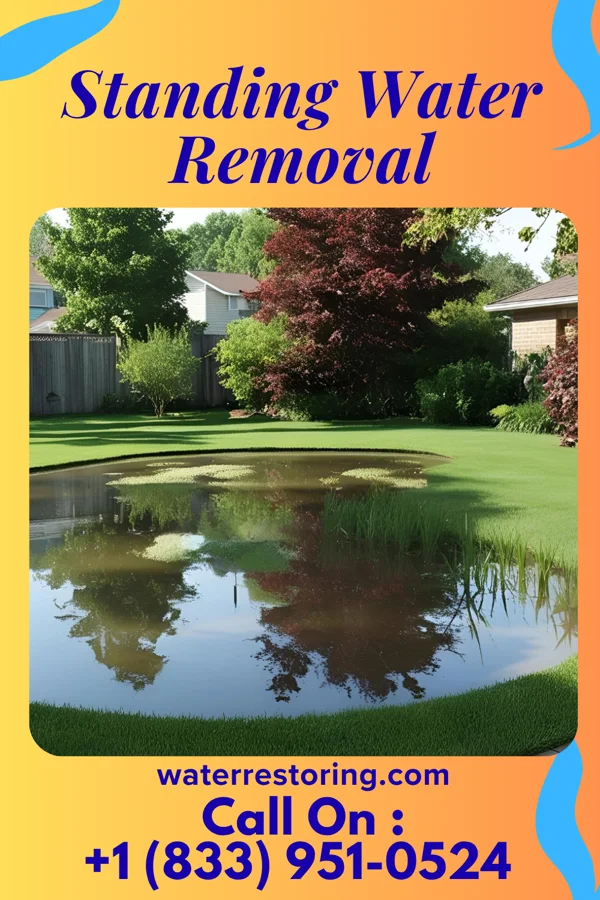
What Makes Thompson Springs Standing-Water-Prone
Living in Thompson Springs means dealing with In Thompson Springs, Utah, the primary water damage cause is often related to burst pipes, especially during the colder winter months when frozen water lines can rupture. Additionally, heavy rainfall in the region can lead to flooding in low-lying areas, particularly near the Green River. These incidents are common in rural settings where infrastructure may be less equipped to handle sudden water surges. sooner or later. A close second is Secondary causes include leaking roofs due to severe weather, seepage from nearby streams or rivers, and groundwater infiltration in older homes. These issues are exacerbated by the area's remote location and limited access to immediate emergency services.. The good news: water damage is fully recoverable when you catch it fast and bring in certified technicians.
Thompson Springs experiences a semi-arid climate with hot summers and cold winters, which increases the risk of frozen pipes and subsequent water damage. The proximity to the Green River also means that flash floods can occur, particularly during spring snowmelt.
Most standing water removal calls in Thompson Springs come from In Thompson Springs, Utah, the primary water damage cause is often related to burst pipes, especially during the colder winter months when frozen water lines can rupture. Additionally, heavy rainfall in the region can lead to flooding in low-lying areas, particularly near the Green River. These incidents are common in rural settings where infrastructure may be less equipped to handle sudden water surges.. Running a close second is Secondary causes include leaking roofs due to severe weather, seepage from nearby streams or rivers, and groundwater infiltration in older homes. These issues are exacerbated by the area's remote location and limited access to immediate emergency services.. Local mold risk: Mold growth can quickly become a serious issue in Thompson Springs due to the region's fluctuating temperatures and high humidity levels, especially after water damage events. Prompt action is crucial to prevent long-term health and structural problems.